Release Chronic Muscle Tightness With Focused Pressure
Deep Tissue Massage in Grand Rapids for persistent pain, stiffness, and injury-related discomfort
Capital Massage provides deep tissue massage for clients in Grand Rapids and surrounding areas who experience ongoing muscle pain that does not resolve with rest or lighter bodywork. When tension settles into the deeper layers of muscle and connective tissue, it creates patterns of stiffness and discomfort that interfere with daily movement, sleep, and physical activity. Deep tissue massage uses slow, controlled pressure and targeted strokes to break up these tension patterns and restore flexibility to areas that have become restricted.
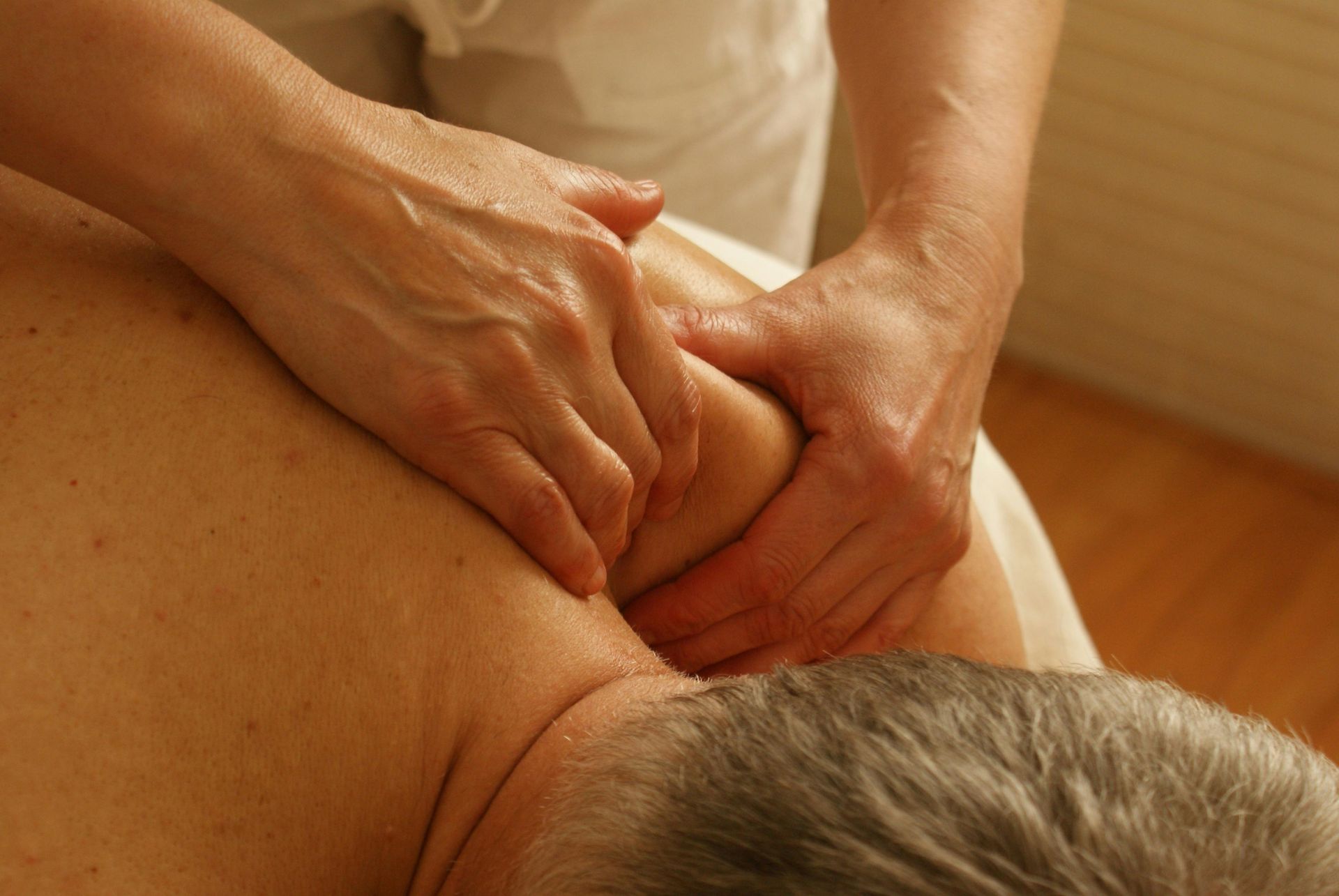
This type of massage differs from relaxation-focused work because it addresses chronic tightness rather than surface-level stress. The therapist applies sustained pressure to reach the fascia and deeper muscle fibers, working methodically through areas where tension has built up over time. You may feel temporary discomfort during the session as the therapist works through adhesions, but the pressure remains within your tolerance and is adjusted as needed. Deep tissue massage is particularly effective for individuals recovering from physical strain, desk posture issues, or repetitive movement stress.
If you have tried other approaches without lasting relief, contact the office to schedule a session designed to address the root of your muscle tension.
What Happens During and After Treatment
Your therapist at Capital Massage will begin by identifying the areas where you feel the most restriction or discomfort. Deep tissue massage sessions focus on those specific regions rather than providing a full-body relaxation experience. The therapist uses forearms, knuckles, and fingertips to apply deeper pressure along muscle fibers, working slowly to allow your body to release held tension without triggering a protective response. Sessions are available in sixty-minute, ninety-minute, and two-hour formats, with optional extensions if additional time is needed on problem areas.
After your session, you will notice increased range of motion in areas that previously felt tight or restricted. The muscle soreness that often accompanies chronic tension begins to ease within a day or two, and you may feel less physical resistance when moving through everyday tasks. Many clients report improved posture, reduced headaches, and better sleep following deep tissue work. The treatment supports recovery by increasing blood flow to areas where tension has limited circulation, helping muscles repair and regain function.
This type of massage is not intended for clients seeking light, relaxing bodywork. It requires active communication between you and the therapist to ensure the pressure remains effective without exceeding your comfort level. Deep tissue massage does not include spa-style amenities or full-body relaxation techniques, but it does deliver measurable relief for individuals dealing with persistent muscle pain and limited mobility.
Answers to Frequently Asked Questions
Clients in Grand Rapids often want to know how deep tissue massage differs from other modalities and what they should expect during treatment.
What makes deep tissue massage different from Swedish massage?
Deep tissue massage uses slower strokes and firmer pressure to reach deeper muscle layers and connective tissue. The focus is on breaking up chronic tension rather than promoting general relaxation.
How much pressure is used during the session?
Pressure is adjusted to your tolerance and the condition of your muscles. The therapist works within a range that allows tissue to release without causing excessive pain or bruising.
When should I avoid deep tissue massage?
If you have acute injuries, recent surgeries, or certain medical conditions, consult with a healthcare provider before scheduling. Deep tissue work is not appropriate during active inflammation or infection.
Why do I feel sore after a session?
Soreness occurs because the therapist has worked through adhesions and tension patterns that have been present for weeks or months. This temporary discomfort typically resolves within one to two days as circulation improves.
How often should I schedule sessions in Grand Rapids?
Frequency depends on the severity of your tension and your recovery goals. Many clients begin with sessions every two weeks and adjust based on how their body responds.
If chronic muscle tightness is limiting your movement or causing ongoing pain, call Measure Massages to discuss how deep tissue massage can support your recovery.